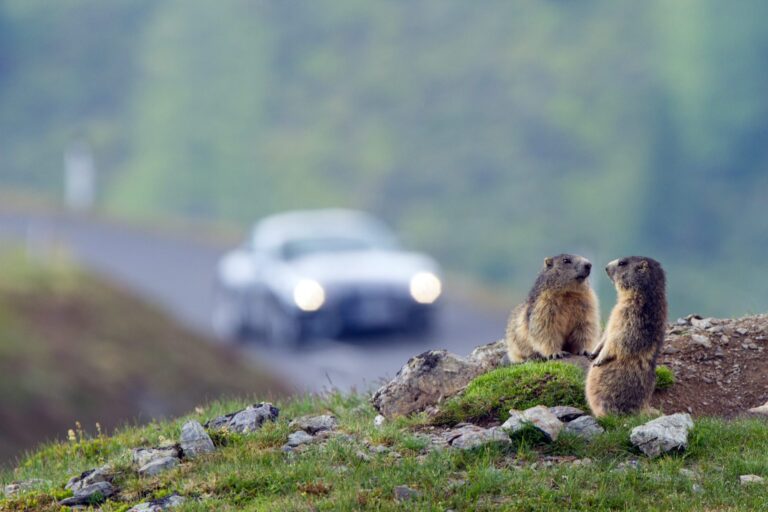
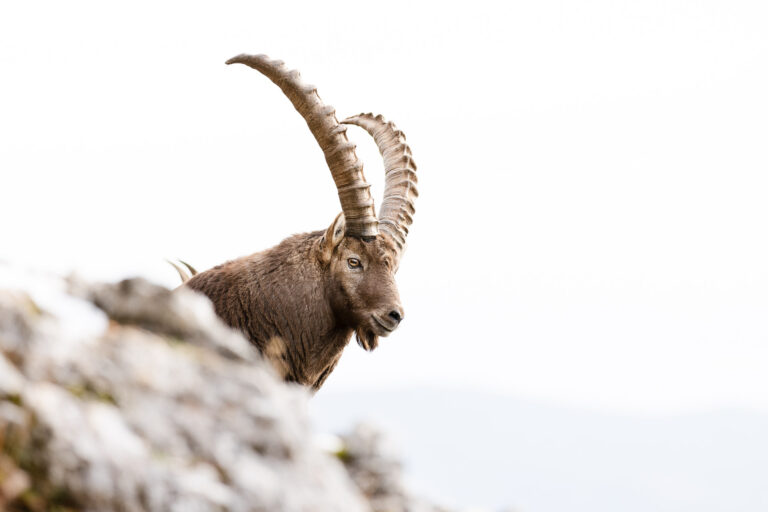
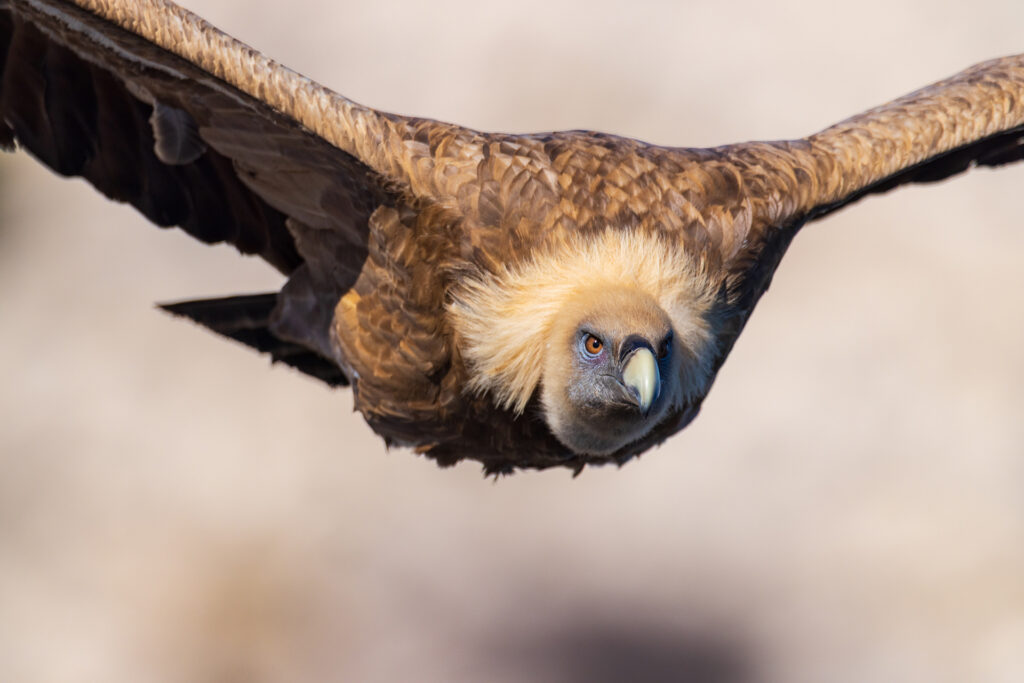
We only have this one nature. There is no second forest, no spare river and no plan B for the lynx, beaver or griffon vulture. That is why we are putting nature at the centre of Photo+Adventure 2026, together with Christine Sonvilla, Marc Graf and Karl Füsselberger.
Only this one nature
For many of us, photography begins outdoors: with a deer at the edge of the forest, with mist over the floodplain, on journeys to faraway countries. Nature is our favourite subject. But it is much more than that. It gives us clean water, air to breathe and fertile soil, it is home to countless species and a place for us humans to recharge. It is incredibly precious. And it is vulnerable.
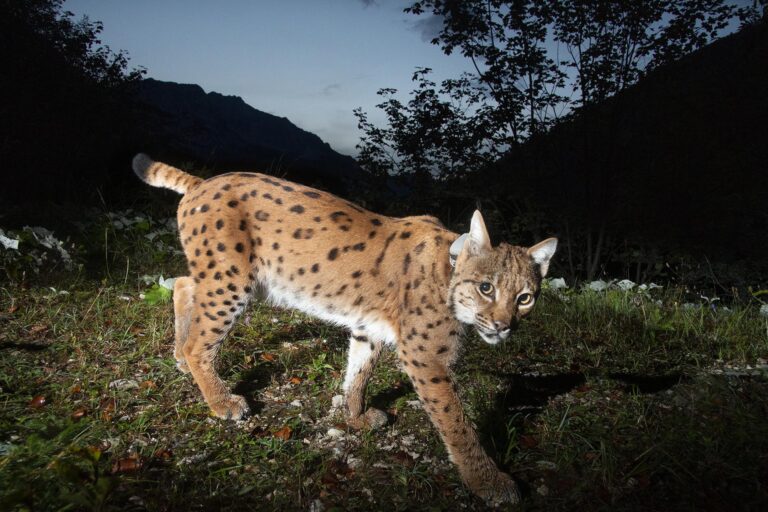
Just how vulnerable becomes clear on our own doorstep. According to WWF, more than 1,300 protected wild animals have been killed in Austria since 2020, through wildlife crime or official culling orders. At the same time, large predators such as the lynx, wolf and bear are returning to Central Europe. This raises the question of how much wilderness we are willing to allow.
The camera can make a difference here. It gives a voice to those who cannot speak for themselves. A strong image makes things visible, moves people and, at best, gets them to act. At the same time, tourism is growing rapidly, the flood of images keeps getting bigger, and artificial intelligence is blurring the line between real and generated. Does the still image still have enough power? And what can it do today to protect our nature?
Together for nature
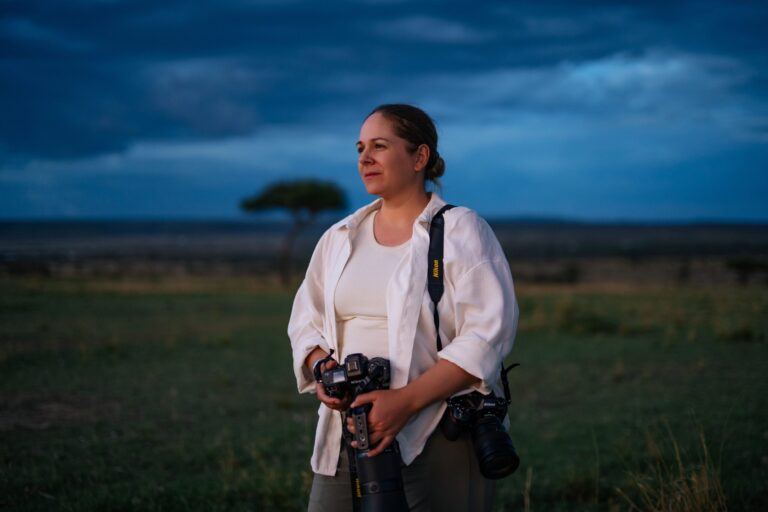
We are not exploring these questions alone. Christine Sonvilla is a marine biologist, Marc Graf an ecologist. For more than 15 years the two have been photographing and filming wildlife. Their images have appeared in National Geographic, and their films are shown on ORF, ARTE and NatGeo TV, among others. Marc has received several awards at Wildlife Photographer of the Year. With their production company Bear Me in Mind Productions, the two are committed above all to nature and species conservation.
Karl Füsselberger runs the Wiener Fotoschule and has inspired more than 8,000 people to take up photography since 2011. He has been combining photography and nature for years, also as a certified hiking guide. He moderates both panel discussions.
We developed the focus topic together with the three of them. The result: a photo competition, a photo exhibition, two panel discussions and four talks that show what photography can do for nature and draw attention to what is at stake.
The focus topic programme
All programme items are included in your admission ticket, there is nothing to book. Here we introduce them one by one.
Born to be wild: Wild sein ist kein Verbrechen
Photo exhibition · Saturday and Sunday, all day · Wintergarten
Beavers, otters, lynx and co. are enormously important for our ecosystems. In their exhibition, Christine and Marc show opportunities for coexistence where others only see obstacles. To do so, they have joined forces with WWF Austria and its “Born to be wild” campaign, which draws attention to the out-of-control killing of protected wild animals. The message is clear: being wild is not a crime.
Let them live! A WWF petition
Wild animals shape and sustain our nature. Even so, according to WWF a protected animal is killed in Austria every other day: birds of prey are poisoned, wolves are shot, otters and beavers die in traps. Even the authorities repeatedly approve blanket killings of protected species, although this contradicts EU law. With the petition “Wild sein ist kein Verbrechen. Lasst sie leben!” (Being wild is not a crime. Let them live!), WWF is taking a stand against this. We support it wholeheartedly. Sign it too!
Fotografie für die Natur: Wie viele Bilder braucht die Welt?
Panel discussion · Saturday, 12:00–12:45 · Wintergarten stage
Countless new nature photos are taken every day. Does this flood of images help nature, or does it wear off? What images do people working in science and conservation need to communicate effectively? What can professionals and amateur photographers contribute? And is a picture still worth a thousand words, or does photography for nature need to reinvent itself?
On the panel: wildlife ecologist Jennifer Hatlauf, who launched the golden jackal project Austria in 2015, Christine Sonvilla, Martin Hartmann, president of the Austrian association for animal and nature photography (VTNÖ) and responsible for nature and environmental education at Gesäuse National Park, and Christian Pichler, ecologist at WWF Austria specialising in bears, wolves and lynx. Moderation: Karl Füsselberger.
The Beauty Beyond
Talk · Saturday, 13:00–13:30 · Europa 2
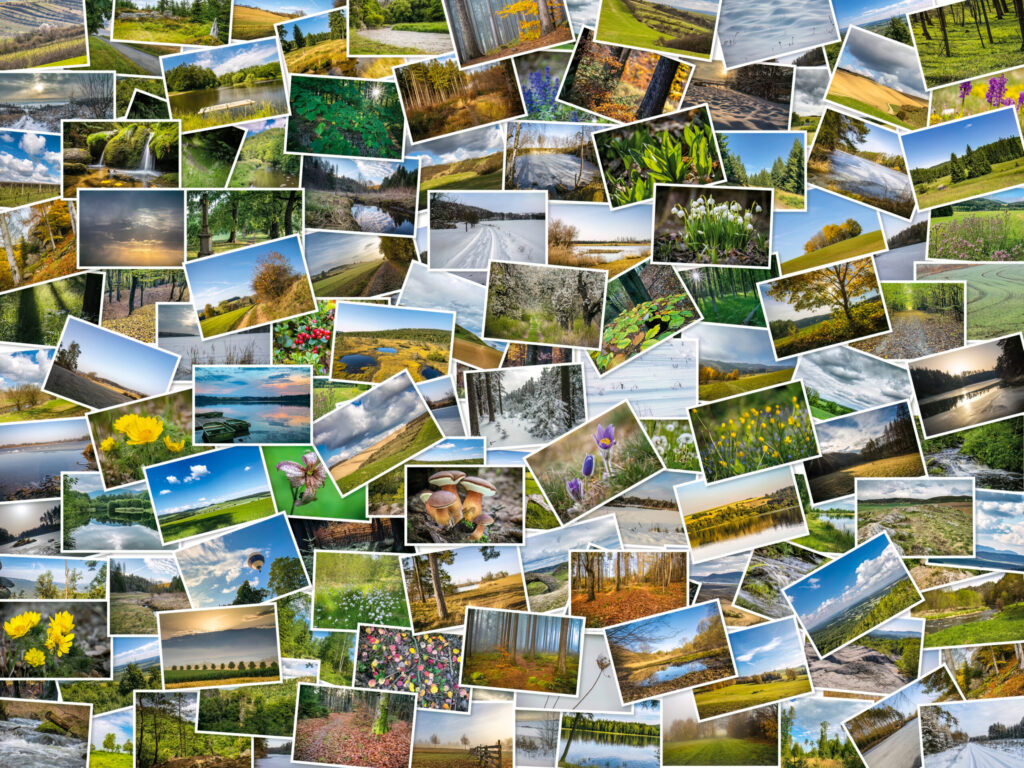
The value of intact nature is, quite literally, immeasurable. Rupert Kogler asks whether its beauty in particular can be a way of recognising this value. After all, nature does far more for us than look beautiful. Those who hardly experience it any more become estranged from it, and nature becomes an abstraction that you neither recognise nor feel. The nature and wildlife photographer from Linz photographs exclusively in the wild, without baiting, lures or captive animals, and edits his images only lightly.
Wild Austria: Wie viel Wildnis verträgt das Land?
Talk · Saturday, 16:00–16:30 · Europa 2
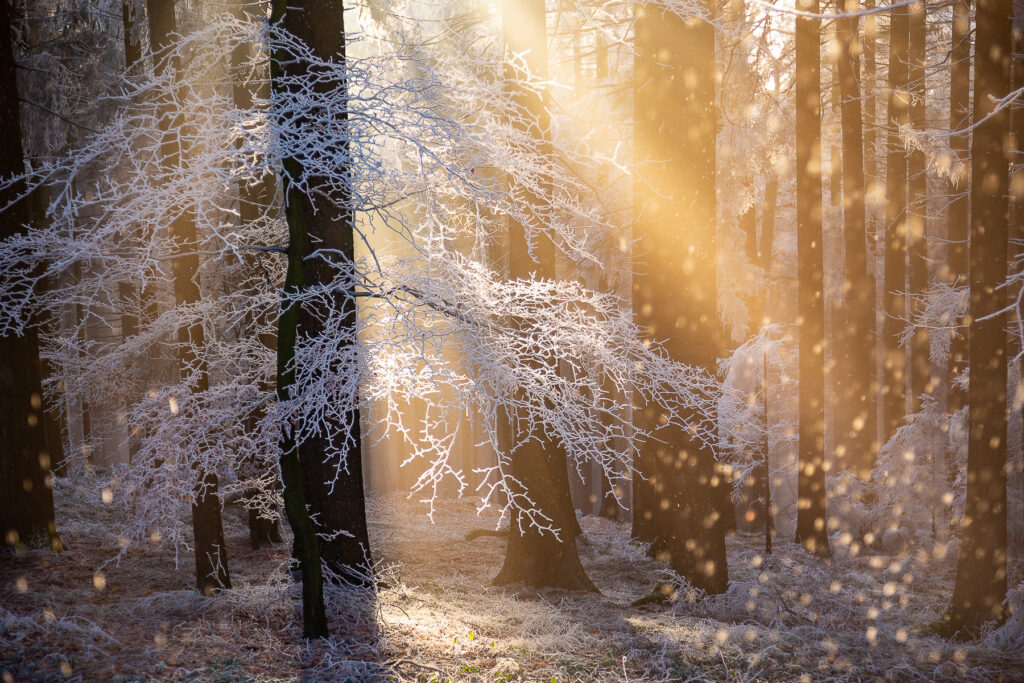
Wild nature and large predators are returning to Central Europe, and with them tensions between humans and animals. Christine Sonvilla and Marc Graf have been following this development with their cameras for more than a decade. Drawing on their images and experience, they show how Austria is dealing with the new wilderness and ask a question that concerns us all: is there enough room for wild nature in our landscape and in our minds?
Fotografie, die mehr kann
Talk · Sunday, 10:45–11:15 · Europa 1
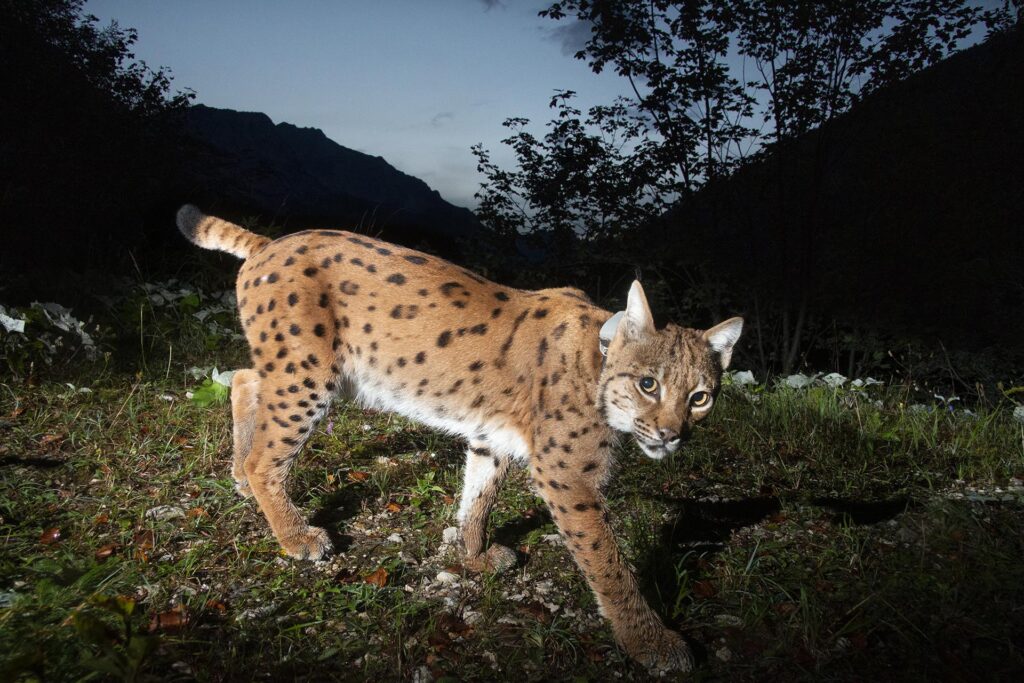
Nature photography can move people, make them think and change the way they see animals and habitats. Julia Altpfart shows you a mindful and responsible approach to nature and wildlife photography and how individual images become bigger stories. She documents nature and species conservation projects with her camera, most recently as part of the media fellowship of the Austrian national parks. The talk is also about treating animals and sensitive places with respect, and about the responsibility we carry as photographers. Her aim: to show what we still have, and what we could lose. A talk by the Wiener Fotoschule.
Natur- und Wildlifefotografie: Ein Reality Check
Panel discussion · Sunday, 12:00–12:45 · Wintergarten stage
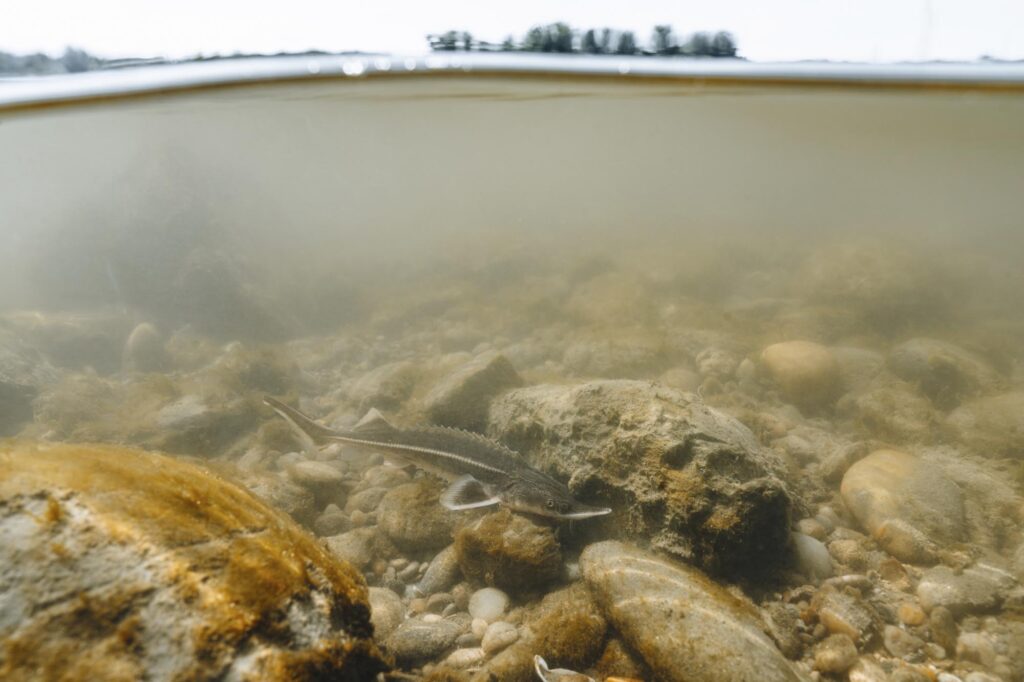
How much reality does a nature photo need? Where does image editing end and photo design begin, and what does artificial intelligence mean for nature and wildlife photography? Do we need clear limits and labelling, and what is the legal situation? And are we in danger of losing touch with real nature?
The discussion brings together Belinda Thaler, photographer, art director and AI expert, Marc Graf, long-standing media and copyright lawyer Thomas Höhne and fine art photographer Armin Amano, who explores the boundaries between reality and fantasy with his “dark processing” style. Moderation: Karl Füsselberger.
Unterwasserfotografie: Warum unter Wasser vieles anders ist
Talk · Saturday and Sunday, 13:45–14:15 on both days · Europa 2
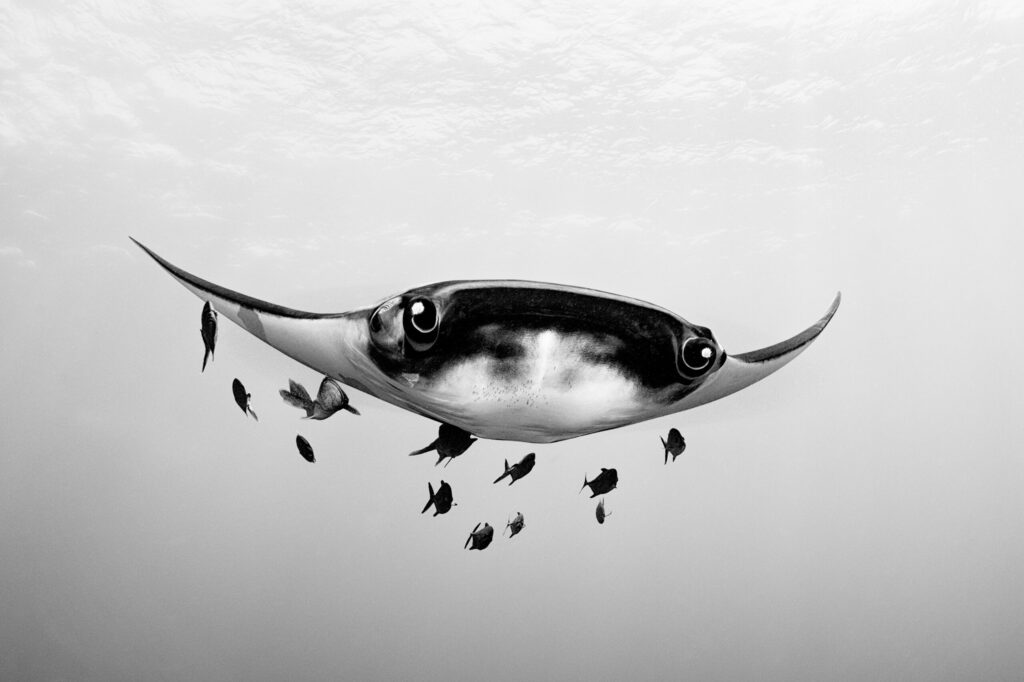
A large part of this one nature lies below the surface of the water. Harald Slauschek has been diving since 1990 and taking photos underwater for almost 30 years. Using concrete examples, he shows you why light, closeness, movement, equipment, communication and perception change fundamentally down there, when snorkelling just as much as when scuba diving. His talk spans from black and white as a deliberate reduction to his long-term project “Between Breaths”, which you can also see at the fair as a photo exhibition.
Your images on the topic
And then there are your images. In the photo competition on the theme “Nature and us”, which we organised together with CEWE, you showed us how you encounter nature. The jury, including Christine Sonvilla and Marc Graf, has made its decision. The 20 best images are on display on both days of the fair as a photo exhibition in the Wintergarten. You will find out who won at the award ceremony on Saturday at 16:30, right there on the stage.
Thank you for your support
The 2026 focus topic is supported by the Wiener Fotoschule, Bear Me in Mind Productions and WWF Austria.
How to plan your day at the fair
You will find all programme items on the focus topic together on the page Nature and us. For even more nature in the programme, try the Journey Animals & nature, for example with Georg Popp and his project Wiener Wildnis. Add your favourites to your favourites list, and you will have everything in view on the day.
Go to the tickets · Go to the focus topic
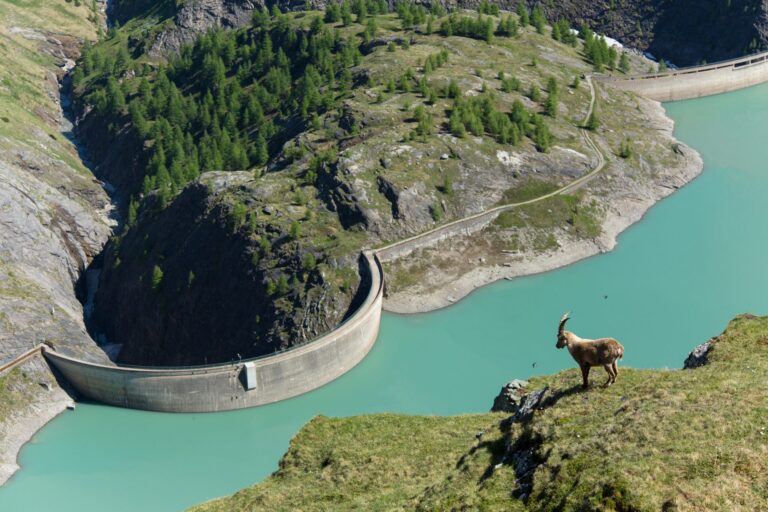
Cover image: ibex above a reservoir · Photo: © Bear Me in Mind Productions